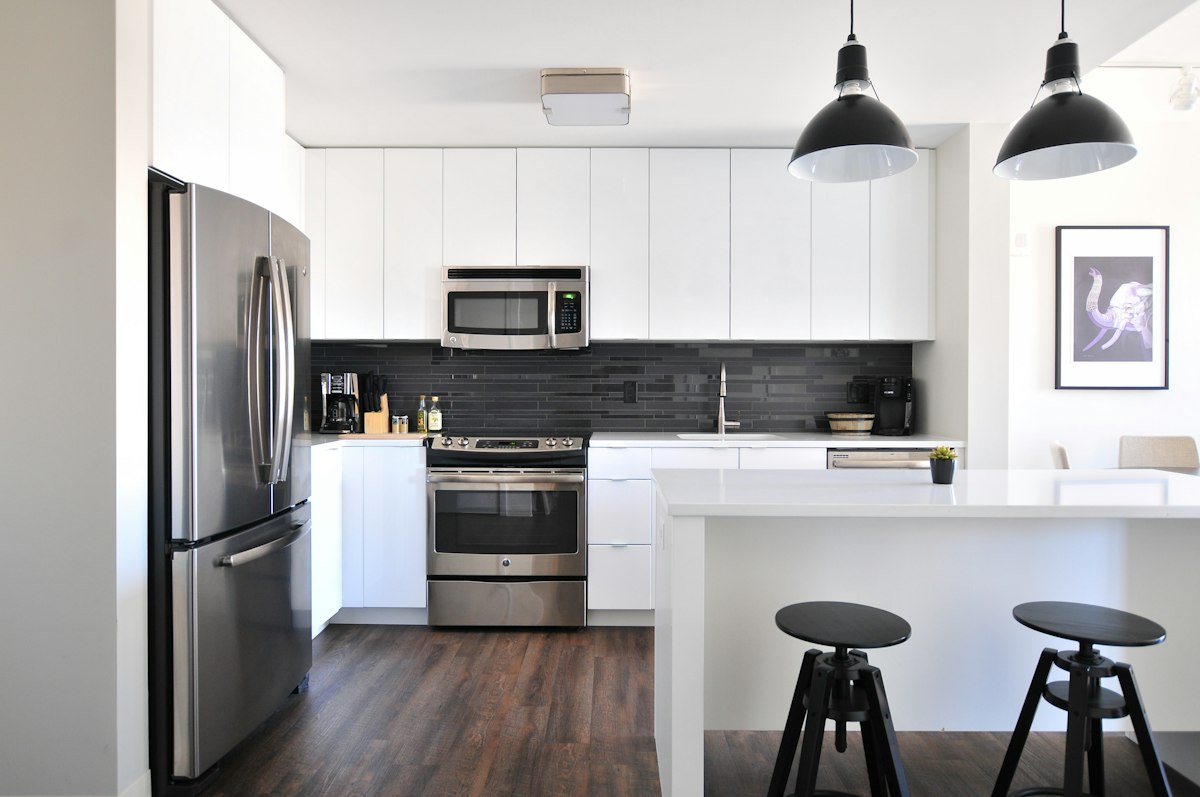
The furnishings, appliances, and fixtures that make your Airbnb a five-star property are also depreciable assets. Getting them documented properly is the whole job. Photo: Unsplash
The tax code allows you to depreciate the furnishings, appliances, and improvements in your short-term rental at a much faster rate than the building itself. The catch is that claiming this benefit requires a cost segregation study — a property-specific analysis that identifies which components qualify for accelerated depreciation and which do not.
The good news is that an Airbnb or vacation rental is one of the simpler properties to run a cost segregation study on. The relevant assets are straightforward: furniture, appliances, electronics, flooring, and land improvements. The documentation requirement is completeness, not complexity. The better organized your source documentation going in, the more efficiently your CPA and cost-segregation provider can conduct the study and make their determinations.
This guide covers what to gather before your first conversation with a CPA, why these specific items matter, and what the resulting documentation should look like when it is done correctly.
CPA Partner Program — STR Advisory
We collect and organize the source documentation your STR clients need before the cost-segregation engagement begins: room-by-room measurements, photos documenting condition and components, property specifications, and purchase records. Classifications, cost allocations, and tax treatment are determined by you and the cost-segregation provider — not us.
Schedule a CPA CallWhy Bonus Depreciation Makes This Worth Doing Now
Standard residential real estate depreciates over 27.5 years. At that rate, a $700,000 property produces about $25,000 in annual depreciation — meaningful, but spread over nearly three decades.
Cost segregation accelerates that schedule by identifying components that may qualify for shorter recovery periods than the building itself. Furnished vacation rentals often have meaningful value in personal property — furniture, appliances, electronics — and land improvements like driveways and pool equipment, all of which your cost-segregation provider and CPA evaluate for accelerated recovery. When bonus depreciation applies, shorter-lived assets can potentially be expensed entirely in Year 1.
The One Big Beautiful Budget Act, signed in July 2025, restored 100% bonus depreciation for qualifying property placed in service after January 19, 2025. For a $700,000 STR where a cost seg study identifies $175,000 in 5-year and 15-year property, that is a $175,000 deduction in the year of purchase or placed-in-service date.
Whether that deduction offsets your W-2 income, your rental income, or sits as a suspended loss depends on how your situation interacts with the passive activity loss rules. That is a question for your CPA. The documentation question is what you control — and what you need to get right before the conversation starts.
The Core Documentation: What Qualifies and What Does Not
The purpose of a cost segregation study is to identify personal property (depreciating at 5 or 7 years) and land improvements (15 years) that are embedded in the purchase price of what is nominally a building (27.5 years). The key distinction is between structural components and personal property — and on a furnished vacation rental, that line is drawn by a combination of the asset’s physical characteristics and how it is classified under Revenue Procedure 87-56.
Personal Property: Furniture, Appliances, and Electronics
Furniture (beds, sofas, tables, chairs, dressers), appliances (refrigerator, dishwasher, washer and dryer, microwave), electronics (TVs, smart locks, sound systems, security cameras), and carpeting that is not permanently bonded to the structure are among the personal property components that cost segregation studies commonly examine for shorter recovery periods. These are the items your guests interact with most directly — the things that determine your star rating on the platform. Your CPA and cost-segregation provider will determine which components qualify and at what recovery period — that analysis requires their professional judgment, not ours.
Here is something worth thinking about: every dollar you invested in furnishing the property to achieve a 5-star rating is a dollar you can potentially recover in Year 1 through bonus depreciation. The Nespresso machine, the Yeti cooler, the high-end linens — these are assets. Document them as such.
Land Improvements: Driveways, Pool Equipment, and Exterior Systems
Driveways, paved parking areas, walkways, exterior lighting, pool equipment (pumps, heaters, filtration systems), hot tub equipment, fencing, and landscaping improvements are among the land improvement components that cost segregation studies commonly evaluate for recovery periods shorter than the building itself. How any particular component is classified — and at what recovery period — depends on your specific property and your cost-segregation provider’s analysis.
“The furnishings that earned your five-star rating are also depreciable assets. A $6,000 sofa sectional depreciates in full in Year 1 under current law. So does the kitchen appliance package.”
What to Gather Before the CPA Call
The more organized you are when you engage your CPA, the faster and less expensive the process will be. Here is a practical room-by-room approach.
Purchase and Settlement Documents
Your HUD-1 or Closing Disclosure from the purchase shows the total acquisition cost. This is the starting point for all cost allocation. If you purchased the property with the furnishings included, note what was listed in the purchase agreement versus what you subsequently purchased separately — these may be treated differently depending on when they were placed in service.
Improvement Receipts
Any capital improvement made after purchase — a new deck, a kitchen renovation, a hot tub installation — is a separate depreciable asset placed in service in the year the improvement was completed. Keep invoices and contractor agreements organized by year and by improvement type.
Furniture and Furnishings Inventory
Go room by room and photograph every significant item of personal property. For items purchased new, note the purchase date and cost (receipts help). For items that came with the property, estimate the fair market value at the time of purchase. Your CPA and the cost seg documentation package will formalize these values — your job is to make sure nothing is missing.
Room-by-Room Documentation Checklist
- Bedroom: bed frames, mattresses, dressers, nightstands, lamps, TVs, artwork
- Living area: sofas, chairs, coffee tables, rugs, TVs, entertainment systems, smart home devices
- Kitchen: refrigerator, dishwasher, microwave, range/oven, small appliances (coffee maker, toaster, etc.)
- Laundry: washer, dryer
- Bathrooms: towel racks, shower fixtures (if not structural), mirrors, accessories
- Outdoor: patio furniture sets, grills, outdoor heaters, hot tub equipment, pool equipment
- Technology: smart locks, security cameras, Wi-Fi routers, speakers, thermostats
- Garage/storage: lawnmower, outdoor tools, bikes or recreational equipment (if part of the rental)
- Improvements: driveway condition and age, exterior lighting, any post-purchase additions
What STR Advisory Collects — and What Your CPA Does Next
The IRS Cost Segregation Audit Technique Guide defines a quality study as one involving qualified expertise, detailed engineering methodology, cost allocation, legal analysis, and reconciliation of costs. That work is performed by a qualified cost-segregation engineer or provider, working alongside your CPA. STR Advisory does not perform that analysis — and does not claim to.
What we collect and organize is the source documentation your CPA and cost-segregation provider need to conduct the study: a property summary (address, purchase date, purchase price), a room-by-room personal property inventory with supporting photos, a land improvements inventory, and purchase records. The classification of each component, the cost allocation, and every determination about recovery periods and tax treatment are entirely in the hands of your CPA and cost-segregation provider.
When reviewing the completed study your cost-segregation provider delivers, look for IRS authority citations — specifically references to Revenue Procedure 87-56 and IRS Publication 946 supporting each asset classification. A study that reclassifies assets without citing the legal basis for that classification is not defensible under audit. The IRS Cost Segregation Audit Technique Guide makes clear that examiners will look for this — your provider should be prepared to support every classification they make.
We Collect the Documentation. Your CPA and Cost-Seg Provider Do the Analysis.
Room-by-room measurements, photos documenting condition and components, property specifications, and purchase records — organized so your CPA and cost-segregation provider can hit the ground running. The classification, cost allocation, and tax treatment are entirely their call.
Questions about the process? Browse the STR financing FAQ →
See What We Document Download Free SampleTiming: When to Commission the Study
The depreciation clock starts in the year the property is “placed in service” — meaning available for rent, not necessarily the day you close. For a property you are purchasing, the placed-in-service date is typically the date it was first listed and available for guests.
For a property you have owned for years and never run a cost seg study on, you can still catch up. A look-back study, done in conjunction with an amended return or a change in accounting method (Form 3115), allows you to claim the missed depreciation in the current year rather than going back and amending. Your CPA determines which approach makes more sense for your situation.
One practical point: if you are refinancing the property into an LLC and planning to run a cost seg study, timing them together is efficient. The study can be completed on the property as it exists, and the refinance closing does not reset the placed-in-service date. Run this by your CPA before you close.
STR Advisory does not provide tax or legal advice. Cost segregation methodology, MACRS classifications, and bonus depreciation eligibility depend on specific facts and professional judgment. Consult a licensed CPA or tax professional before making any depreciation election. References to IRC Section 168(k) and Revenue Procedure 87-56 are to law current as of July 2026.